
Research
Before you embark on a hike, find out more about the walking route and what's involved. How challenging is the walk? Is it expeditionary or just a casual walk? This will help you understand if it's suitable for your level of fitness. We share all this information including the walking grade, distance, ascent and descent per day on our website and travel plans, so you can find out exactly what you can expect. Our team are always on hand to help assist you with any of your walking holiday queries, and can provide tailored advice to help make your decision easier - just contact us!
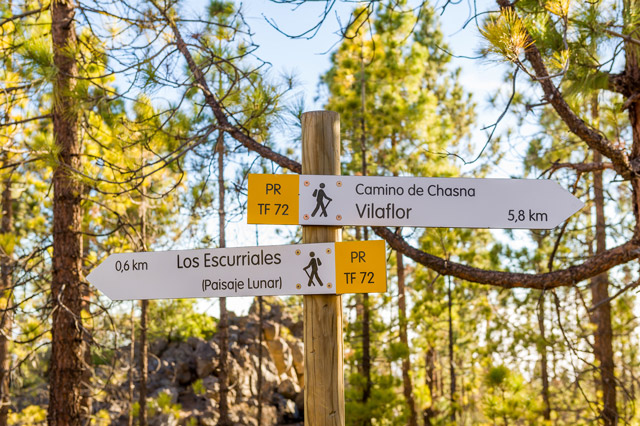
 You may also want to find out whether your walk is point-to-point or centre-based - and you may even have a preference one way or another! Point-to-point walking holidays typically move from one destination to another each day, whereas on our centre-based walking holidays, you generally stay in one or two areas and can sample several walking trails near your accommodation. All of our routes are planned in advance and include transfers, meaning you will be dropped off and picked up at a designated point, with some time to rest your legs!
Terrain, altitude & climate
Consider the type of terrain you'll be walking over - will it be rugged or elevated? If so, you may want to buy a pair of walking poles to help make it easier on your knees, but these aren't always necessary. Next, ask yourself if scrambling is involved and if you would be comfortable with this? Only our demanding and strenuous treks require scrambling, but it's worth checking before you go.
 If you'll be trekking above 2,500 m make sure you read our how to prepare for a high altitude trek blog and trekking at altitude guide. They detail how you should prepare before you book and travel, and also during your holiday, and what to do if you suffer with Acute Mountain Sickness on a hike.
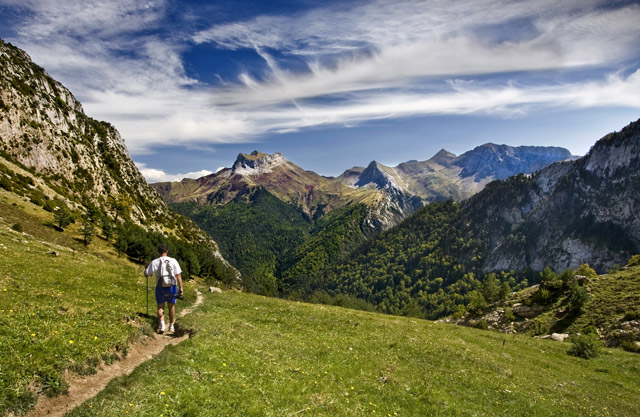 Our walks all operate at the best time of year for that destination. We avoid the height of summer in some of our European destinations and winter for our mountainous options - unless you are travelling on one of our snowshoeing holidays! Of course, weather can be unpredictable, and our local partners can often provide contingency plans if needed.
What to pack?
Make sure you have suitable walking footwear with good tread and ankle support. It's good to wear these in before you travel to avoid any troublesome blisters! Keep your kit to a minimum and try to pack light - especially in your day pack. On the majority of our trips, your luggage is transferred to your next accommodation, meaning you only need to carry what you need for the day!
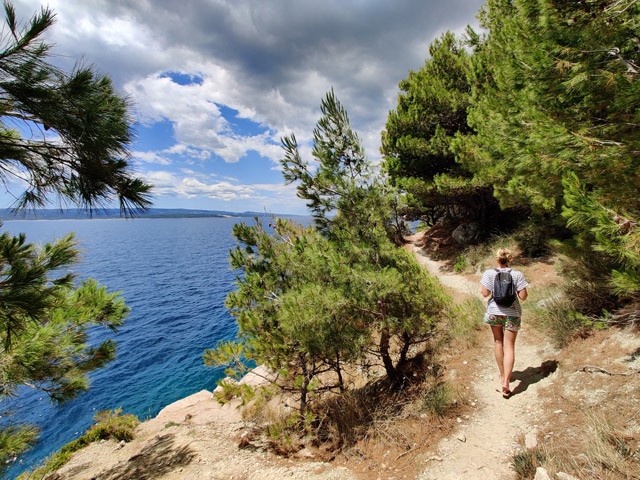 Pack base layers for good insulation, and depending on the climate a wind/rain resistant outer shell is always beneficial. Remember, you should always expect the unexpected in the mountains! Wearing additional layers is advisable as you can manage your body temperature depending on the local conditions that can often change quickly and unexpectedly! Hats and sunglasses also come in handy - both for warmer climates and higher altitude treks (where any snow reflects the sun), and with the latter we also recommend bringing a pair of gloves. Don't forget to pack and apply high-factor sun cream regularly - even when it's cloudy.
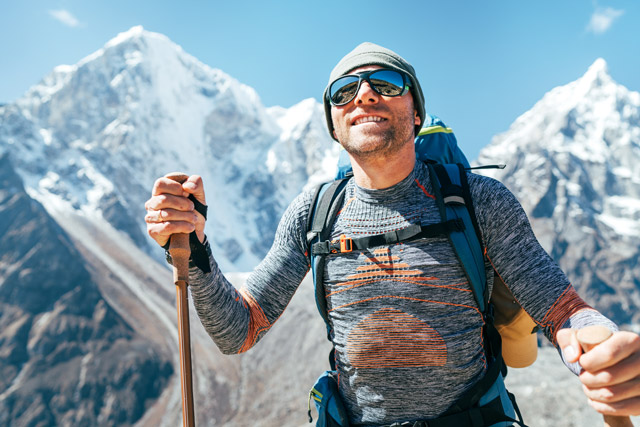 We also recommend packing a reusable water bottle (one with a filter is an added bonus), electrolytes drinks, supplements and snacks for along the way - energy bars make a great mid-afternoon pick-me-up. It's important to ensure you're hydrated and well-fueled, so you can reach your full potential and the peak of your hike! The views will be more than worth it.
Practice walks & inclines
In the months leading up to your hike, we suggest going out for a few practice walks to train, condition and build stamina, so you learn how to pace yourself day to day. Aim to increase the distance and elevation each time, and supplement these practice walks with some cardio training to improve your fitness.
Use our holiday search to find your next walking holiday, or to find out more about any of our trips contact a member of our team.