What is altitude sickness?
Altitude sickness, or Acute Mountain Sickness (AMS) as it’s known, is the body’s reaction to reduced air pressure and lower concentration of oxygen when at higher altitudes. Mild symptoms include headaches, nausea, dizziness and exhaustion.
When does it happen?
It can happen from 2,500m above sea level; however symptoms are more likely to be noticeable when travelling at altitudes of 3,600m and above. The height at which AMS develops can vary greatly between individuals and it is important to let your tour guide know if you start to feel unwell. The more serious condition of High Altitude Pulmonary Oedema (HAPE) or High Altitude Cerebral Oedema (HACE) can develop if AMS is ignored.
Who does it affect?
Anyone can be affected, no matter how young or old or how experienced. Unfortunately being physically fit offers no guarantee of protection against AMS either.
How to prepare for it?
There isn’t an easy way to prepare for altitude sickness. Climb slowly, take rest days, keep hydrated and no alcohol are sensible precautions. However, the best thing you can do whilst trekking is to be aware of the onset of AMS and not ignore it.
Walks Worldwide trips are planned so that there is plenty of time for acclimatisation. We also offer trekking at different levels so that you can decide how strenuous a trek you want.
What should you do if you have symptoms?
With mild symptoms, the general consensus is that you should refrain from going any higher for 24-48 hours and drink plenty of fluids. For more severe cases, you should immediately descend to a lower level and seek medical advice.
For more comprehensive advice we recommend you visit the NHS website here.
How has it affected Walks Worldwide staff?
Trekking is our passion and many of us at Walks Worldwide have experienced trekking at high altitude so dealing with its effects is something we are very familiar with. Here are some of our experiences.
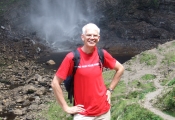
Steve Nagle, Sales Consultant
How has altitude affected you?
I have trekked Kilimanjaro (5580m) and Langtang and Lakes in Nepal (up to 4600m). I am very fit for my age, having done endurance events, and I run competitively every weekend. For me, above 3500m is about the time I first feel the effects – usually slight fatigue and minor headaches.
Any tips for high altitude trekking?
"Seek medical advice from your GP before leaving and take the correct kit – especially good gloves – the top of Kilimanjaro gets pretty cold!"
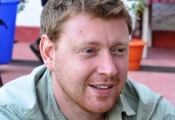
Adam Hickman, Mountain Leader
How has altitude affected you?
"I have worked as a professional mountain leader for the past 10 years and have been lucky enough to lead trekking groups in many of the great ranges around the world. My first experience at altitude was quite an unpleasant one. As a young fit climber I thought I was indestructible and broke all the rules in terms of acclimatisation. As a consequence I felt very unwell and nearly ended up with serious complications. Since then I have grown a bit older and wiser and learned to follow the advice above. These days I always make sure I plan routes which include a gradual acclimatisation."
What advice can you share?
"I would advise people to take their time and listen to their body! People are often apprehensive about going to high altitude for the first time; however, by following a few simple rules and ensuring you allow enough time for acclimatisation it shouldn’t be an issue. The human body is wonderful at adapting to a changing environment. It is important to remember, however, that everybody adapts at different speeds so it is worth considering this when planning to trek at altitude for the first time."
We hope our experiences above have helped reassure you that AMS can be managed and the possibility of discomfort should not deter you for experiencing some of the most exhilarating journeys the world has to offer.
Please visit your GP or travel clinic if you have any concerns.
If you’d like to speak to one of the Walks Worldwide team, please call 01962 302 085 or view all our walking holidays.