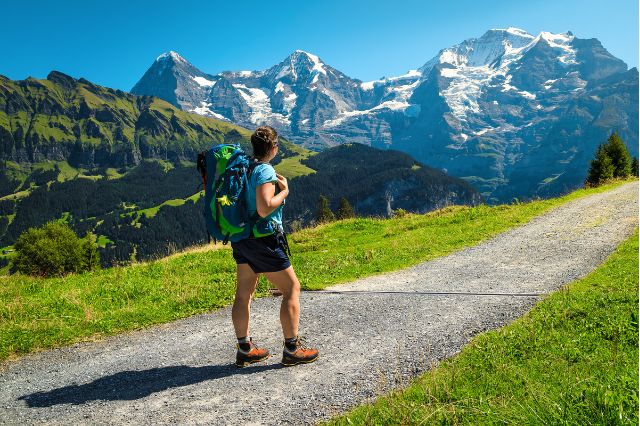
 The Bernese Oberland is one of the most incredible walking destinations in Switzerland; combining both easy and challenging trails with unrivalled views of breathtaking mountains and flower-filled meadows, it's a perfect location for active holidays. Indulge in Swiss cuisine, enjoy the surrounding nature, and expect to reach astounding altitudes.
In this blog, we discuss some common questions about this magical mountain range, where you can enjoy scenic rail journeys, hike part of the north face of Eiger, and visit an iconic filming location from the James Bond franchise!
Where are the Bernese Mountains?
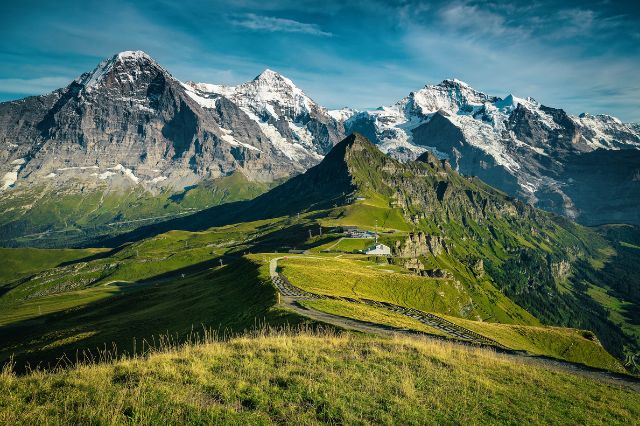 The Bernese alps, famed for their world-class hiking trails and traditional old towns, are located in the west of Switzerland, and lie north of the Rhone Valley. The mountain range is part of the larger Swiss alps, and is encompassed by over 800 lakes, and countless kilometres of picturesque snow-capped peaks.
Accessing this beautiful part of the world is fairly straightforward - we recommend flying into Zurich, and from there taking the 2.5 hour train to Interlaken.
What peaks are in the Bernese Alps?
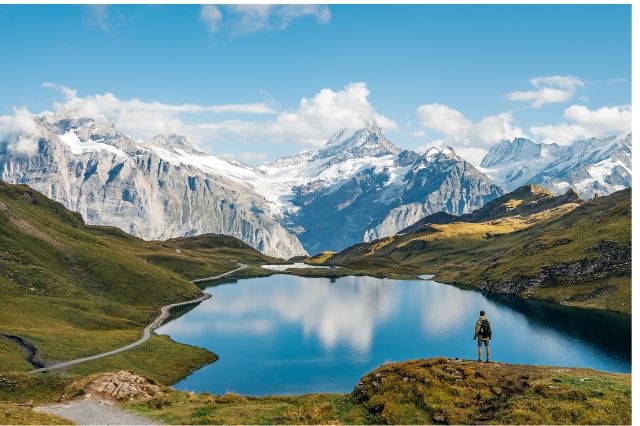 The Bernese Alps showcase a number of impressive peaks, including the Finsteraarhorn mountain, which is not only the highest mountain in the Bernese Alps, but also the most prominent peak of Switzerland. On the hikes you experience on our Bernese Alps trip, you encounter three of the tallest and most famous peaks piercing the Bernese skyline: Eiger, Mönch and Jungfrau (with Jungfrau towering at an astonishing 4,158 metres).
On the hikes you experience on our Bernese Alps trip, you can also take a cog railway up to Rochers-de-Naye for stunning views and access to hiking trails. This trio of peaks all rise from the same ridge, and are often referred to as the ‘Big Three’ of the Bernese Alps. On day five of our trip itinerary, you walk the iconic Eiger trail below the Eiger’s north face, and encounter the impressive Jungfraujoch perched at an impressive 3,454 metres.
Where is the best base to hike from in Bernese Oberland?
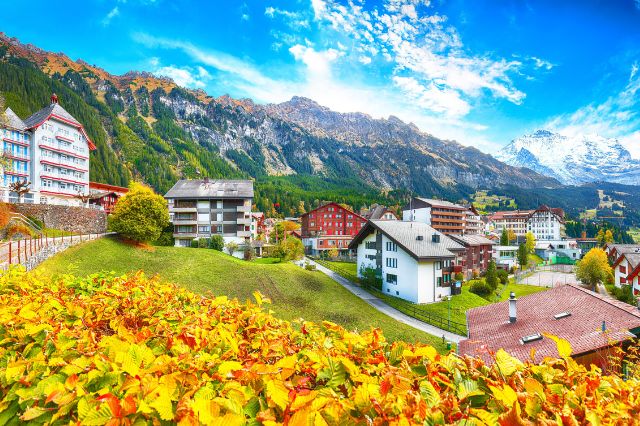 Our Highlights of the Bernese Oberland trip has three bases - Interlaken, Wengen and Mürren. Each town has their own unique draws and benefits, and are conveniently located in proximity to walking trails, making them the perfect, hassle-free base camps to relax and absorb the Swiss culture after a day of exploring the mountains.
- Interlaken - besides from the luscious forests and beautiful Azul lakes encompassing the town, Interlaken is incredibly well-connected with transport links to destinations in Europe as well as up mountains, including the iconic Jungfraujoch peak.
- Mürren - famous for its James Bond debut, the alpine village of Mürren features stunning views of surrounding mountains, and the discernable echo of cowbells will make you want to never leave!
- Wengen - lying at the foot of the Jungfrau mountain, Wengen is a traditional, car-free resort that is surrounded by over 500 kilometres of marked hiking paths, making it one of the most perfectly positioned walking destinations in the region.
Our tour takes you on a round trip, beginning and ending in Interlaken. Every day you embark on a hike, varying both in length and difficulty, and conclude each day in a beautiful mountain resort, staying for one to two nights at a time. All the mountain trails are well-marked with good conditions underfoot, and of course phenomenal views of the surrounding peaks at every turn. For more information about our typical itinerary, visit our trip page.
Is Jungfrau really the top of Europe?
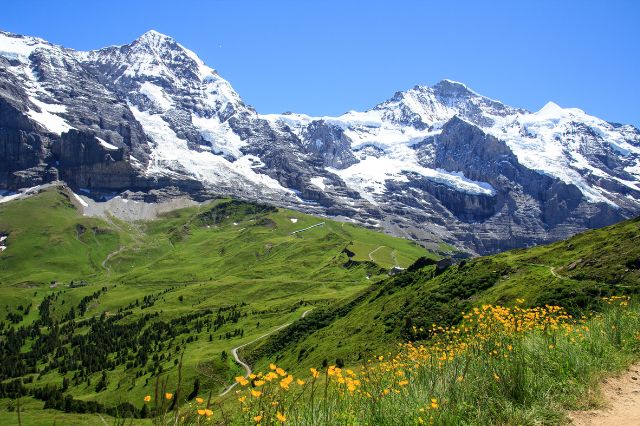 Jungfrau earned its reputation as the ‘top of Europe’ thanks to its famed train station that perches at an impressive 3,454 metres. Constructed in 1896, allowing tourists to achieve jaw-dropping mountainous heights, accessible by train. Technically speaking, it’s not actually the top of Europe … but that’s not to say that you can’t claim this accomplishment when you get home!
Sitting in between the Jungfrau and the Mönch peaks, the panoramic views of the Swiss alps are truly breathtaking, and are a bucket-list item worth ticking off! While Jungfrau is often referred to as the top of Europe, Mont Blanc also stands as a premier hiking destination with its impressive height and breathtaking views.
How long does it take to hike Jungfraujoch?
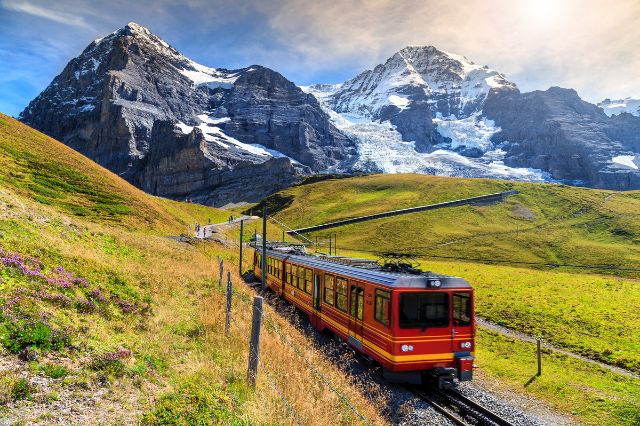 Of course, the answer to this question depends on where you start from, but our trip is part of the broader Switzerland walking holidays experience. Our trip recommends walking the Eiger trail commencing in Alpiglen and ending at the Eigerglestscher station, which takes approximately 2–3 hours to hike.
Upon reaching the train station, you then catch the iconic train up to Jungfraujoch (not included in the price), which takes 2.5 hours. It’s worth noting that the Jungfrau Railway is the only way to reach the Jungfraujoch summit, as the ascent is too steep and unsafe to walk.
How long should I spend in Bernese Oberland?
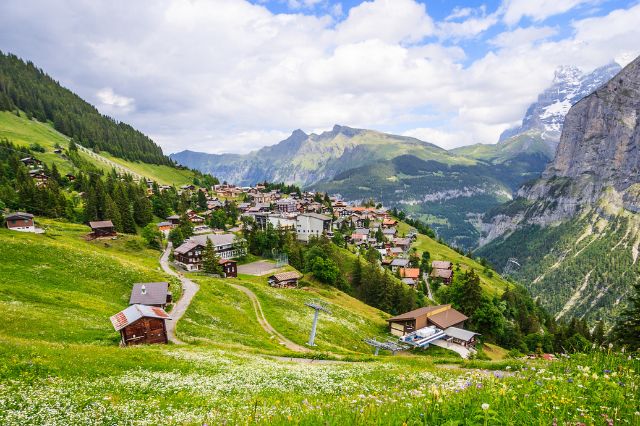 Saturated with charming villages, dramatic alpine views and endless hiking trails, it would be hard to run out of hiking trails to discover and vistas to marvel at. To fully immerse yourself in the Swiss culture and make the most of the hiking opportunities, consider taking a cable-car ride to enjoy panoramic views of the alpine landscape.
We suggest spending a week here, and our ‘Highlights of the Bernese Oberland’ walking holiday takes eight days in total, starting and ending in Interlaken and traversing iconic walks including the Eiger trail. This time also allows you to explore a number of picture-perfect Swiss villages, enjoy traditional accommodation, and get a true flavour of the Bernese Alps.
What are the best months to hike Switzerland?
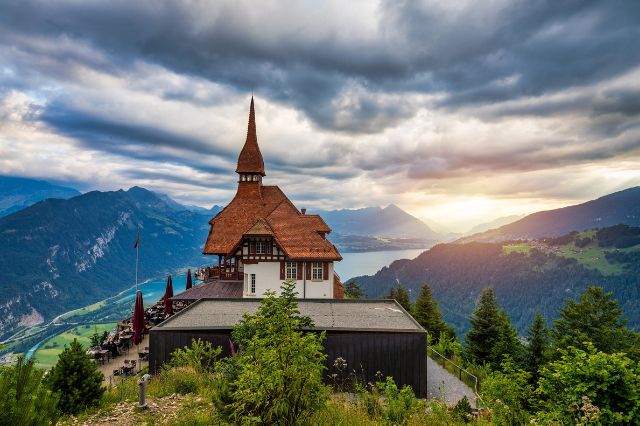 The best months to hike in Switzerland are undoubtedly in the early summer, when the climate is slightly warmer and the cloudless views stretch for miles across undulating mountains. In the months of May and June, flowers are in bloom and extensively cover the lower valleys, and the snow crowns that remain on the mountain peaks from the colder winter months make for phenomenal photos.
Despite the ideal climate, it’s good to bear in mind that the later summer months of July and August are peak season, so crowds can be expected. For those who prefer a more relaxed pace, the early summer months are also perfect for a leisurely stroll through the scenic valleys.
What can you expect from our Highlights of the Bernese Oberland trip?
- A self-guided walking holiday exploring one of the most iconic mountain ranges in Switzerland
- An itinerary that guides you along established trails around the three tallest peaks in the region: Eiger, Mönch and Jungfrau
- Walking amongst glorious glacial valleys, alpine lakes and traditional alpine villages
- An experience taking the Jungfrau Railway train up to the highest train station in Europe
- The opportunity to immerse yourself in the Swiss culture
If you'd like to experience this iconic mountain range in Switzerland, find out more about our Highlights of the Bernese Oberland trip today, or contact our team for more information.