
When we picture iconic hiking destinations, some classics spring to mind. The Pyrenees, Himalayas, maybe the Corfu Trail or Camino de Santiago, however, La Réunion should deservedly feature on this list. Despite this, the island between Madagascar and Mauritius is relatively unknown to UK visitors.
Why is Réunion Popular with Hikers Around the World?
A department of France, Réunion island holds claim to the highest peak in the Indian Ocean, Piton des Neiges at 3,070 metres, one of the world's tallest waterfalls, Cascade Blanche, and one of the world’s most active volcanoes, Piton de la Fournaise. Eruptions, however, are effusive and gradually flow down the flank, and in the case of Reunion, sometimes into the ocean.
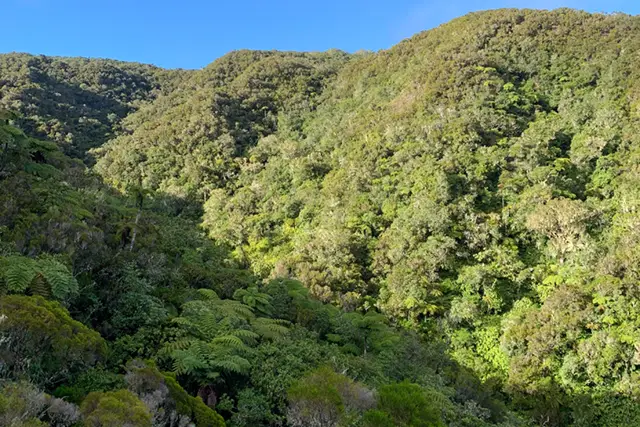
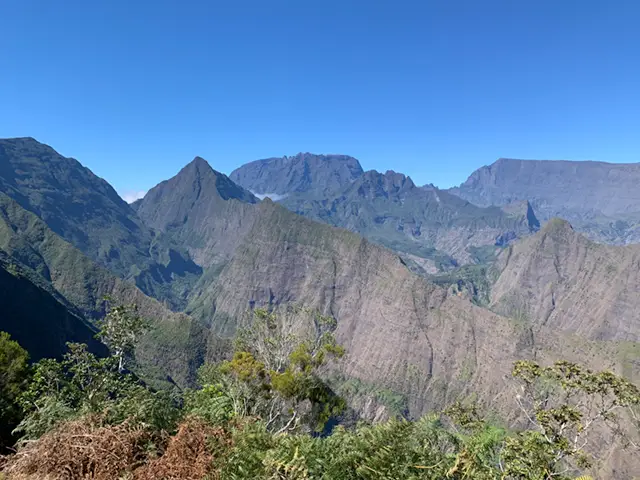 With 200 different microclimates, the landscape changes as you pass by. Rainforests like the Amazon, bamboo forests akin to Asia, mountains from the Alps, volcanoes from Hawaii, beaches from the Canary Islands, plateaus from South Africa and waterfalls from Iceland. Réunion has been affectionately nicknamed by the locals as 'the whole world on one island'.
Arriving into Roland Garros Airport from Paris, you step off the plane and the rugged, mountainous scenes from Cirque de Salazie and Mafate are instantly visible, giving you your first taste of what the island has in store for you.
Réunion Island's Cirques
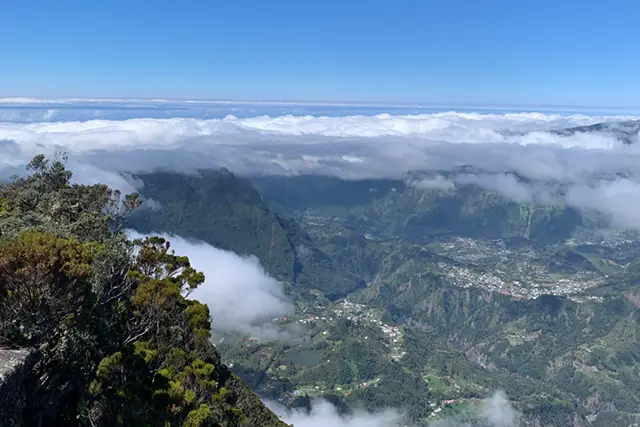
A volcano collapse millions of years ago resulted in the creation of three calderas: Cirque de Mafate, Cilaos and Salazie. The cirques frame Piton des Neiges, and inhabited villages dot the hillside, breaking up the lush verdant greenery. Each cirque has a unique charm to it. Mafate is only accessible by foot or helicopter, and as such is popular with hikers. The road to Cilaos has 400 bends, so isn't for the feint-hearted, but is one of many talking points for tourists to the island. Then there's Salazie, home to quaint spa towns such as Hell Bourg where the thermal waters are said to be a treat for trekkers at the end of a day's hike!
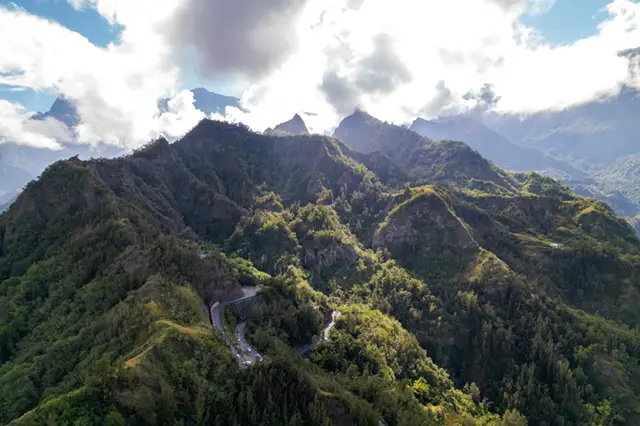 The pitons, cirques ‘calderas’ and ramparts were designated a UNESCO World Heritage Site in 2010. This varied topography covers 40% of the island, 60% of the vegetation is endemic, and authorities recognise the importance of protecting nature, the main appeal of the island.
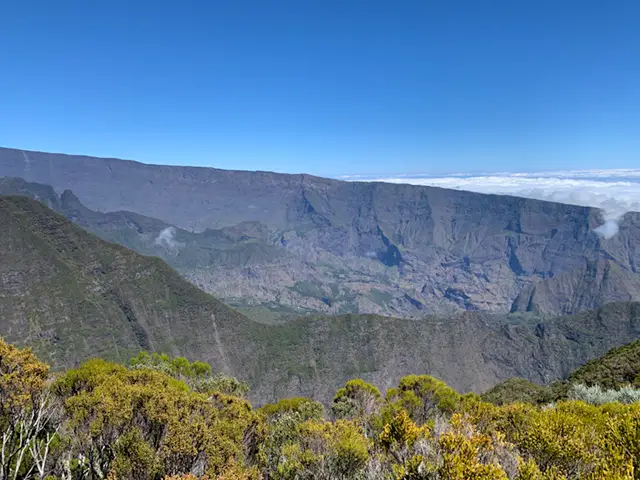 Its location means that mornings are often spent in the sun, before the clouds form and drift across from the ocean. Luckily for hikers, when you're at altitude and in the cirques you'll find you're above the clouds and can absorb every inch of the breathtaking views whilst a traditional island breeze keeps you cool.
 Réunion's Beaches
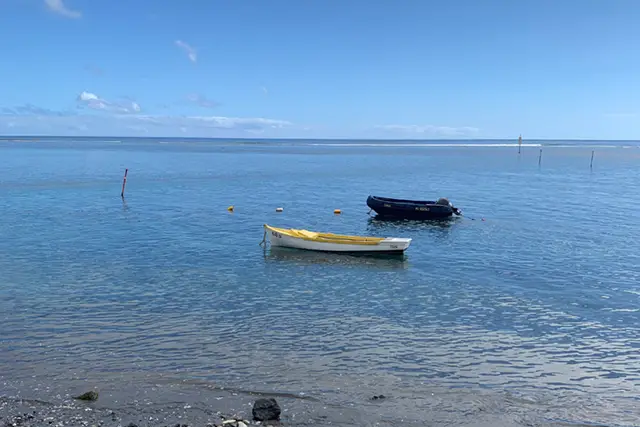
On the west coast, St Gilles les Bains is where you can find the island's most popular beaches and coral reefs. A lagoon here is part of Réunion's Marine Nature Reserve, with designated swimming sites and divers eagerly waiting to get in the water to encounter turtles and swim face-to-face with humpback whales - one of the few places in the world where you can experience this responsibly. Despite the presence of beaches on the island, it's the mountains and volcanoes that capture the heart of travellers.
 Furnace Peak Hike
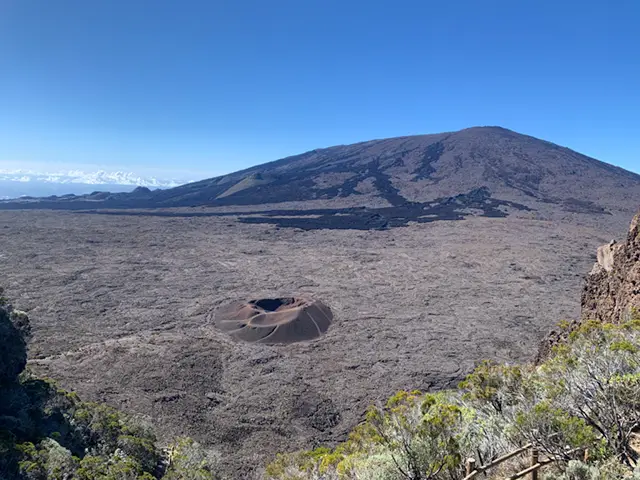
Hiking on Piton de la Fournaise (peak of the furnace) towards the south coast is an adventure and certainly an achievement for the walking logbook. As you drive or walk to the start of the route, the scenery transforms into a volcanic desert, reminiscent of Mars.
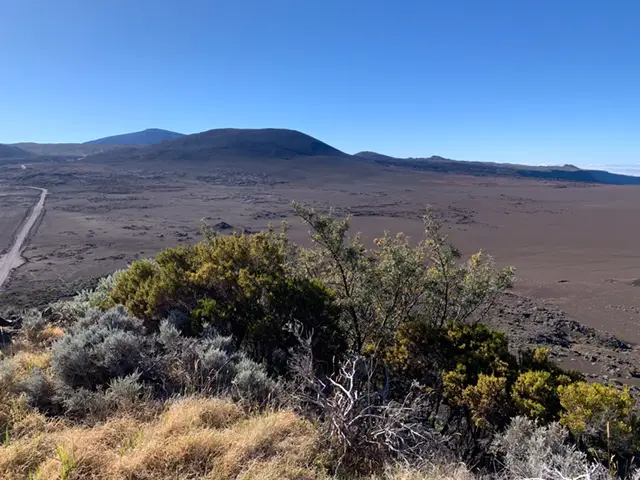 You hike down the enclosure, past moon-like craters, walking past lava fields from recent eruptions and weave your way up to Dolomieu Crater. The peak, at over 2,600 metres high, presents the unique opportunity to peer inside the 300-metre-deep crater - which is enough to get your adrenaline rush fix! The views from the top are impressive, and in the distance, you can spot the sight of Piton de Neiges jutting out of the horizon. Volcanic activity is regularly monitored, and the route is closed if necessary.
 Réunion Island's Culture
Whilst not trekking, you can discover the melting pot of cultures, from European to Creole and African to Asian. The small island is home to Hindu temples, Chinese pagodas and churches, and this diversity results in a welcoming population who are keen to share their history and culture with visitors. Additionally, the traditional music known as Sega and Mayola have been designated Intangible Cultural Heritage status by UNESCO.
The east of the island is Réunion's agricultural hub, with banana, vanilla, spice and sugar cane plantations. They take pride in their produce, and I recommend you take some vanilla home with you!
Why Should you Choose Réunion Island for your next Walking Holiday?
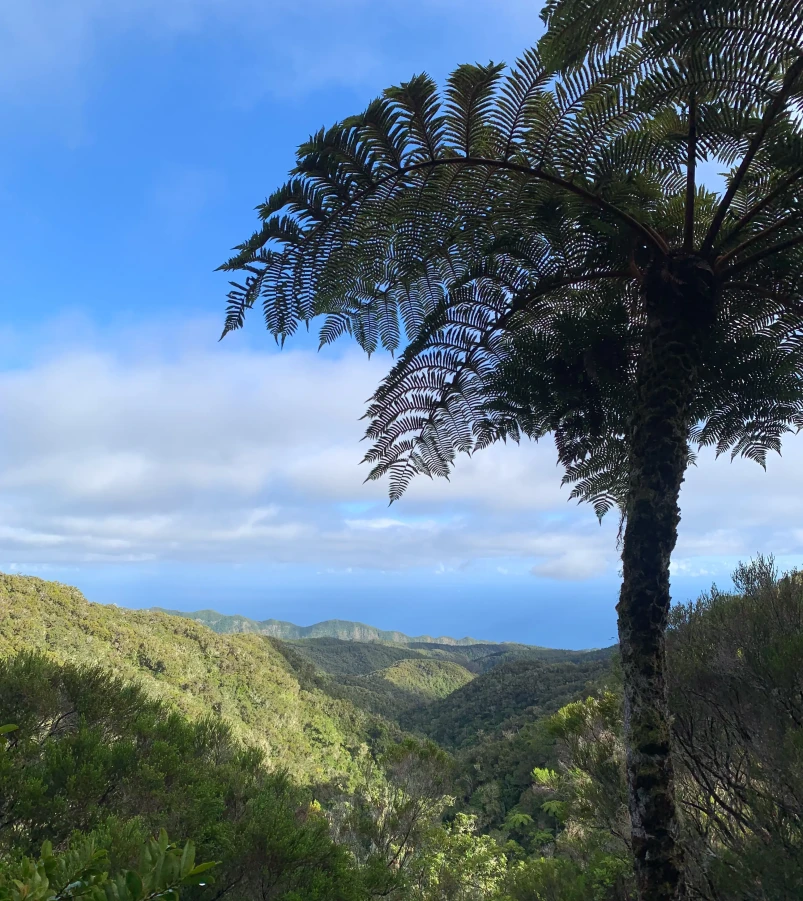 With over 1,000 kilometres of walking trails, Réunion island is an established destination for hikers. Trails are waymarked French-style, Gites de France (a quality standard for accommodation) has 91 properties on the island, and you’ll know you’ve made the right choice when you spot hiking poles sticking out of rucksacks and people wearing their walking shoes on the plane.
If you fancy treks with a difference, then look no further than the 'top of the Indian Ocean'. Find out more about our Réunion island holiday, or contact our team to start planning!