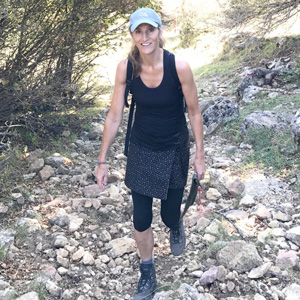
We had arrived in Lanjáron, the starting point of our GR7 self-guided walk. After a delicious meal and restful night at our pleasantly situated hotel we gathered picnic delicacies from the local market – air-cured jamón serrano is a region speciality - and headed off.
The Alpujarras, the region of mountain farming villages on the southern side of Spain’s Sierra Nevada Mountains, benefit from the melting snow from the peaks above: Mulhacén is Spain’s highest mountain at 3,479 metres. In the late 15th century the last surviving Moors in Spain fled to these hills and established a system of water irrigation channels (acequias) to direct the melting snow water to their farms. This system is still used by the farmers of the Alpujarras today.
The architecture of the hamlets can be attributed to the traditional Moroccan Berber dwellings - flat rooves, terraced against the steep mountain slopes. (Anyone who has visited the Atlas Mountains in Morocco will be able to spot the direct similarities).
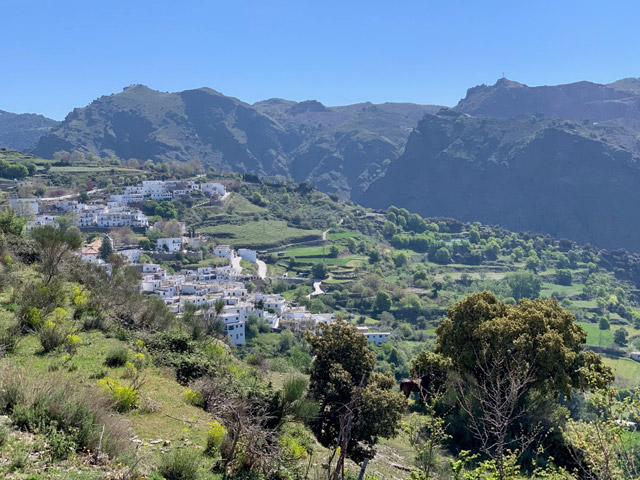
Our route was to take us west to east, touching Spain’s highest village of Trevélez before descending towards the final destination of a working vineyard and organic farm near Cádiar.
Climbing on the first day’s walk took us much higher but parallel to the main road traversing the foot of the Alpujarran Valley: we could see the main artery snaking its way along below us.
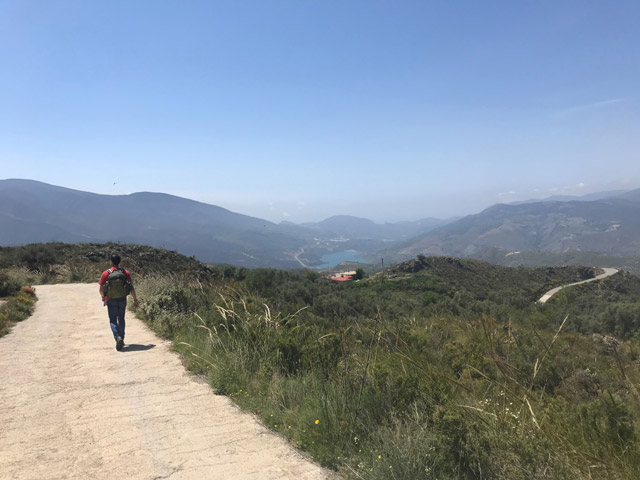
From day two onwards we were to see far less human infrastructure as our walks headed deeper into the hills and valleys, along narrow paths, deserted tracks and past acequias, eventually reaching far off white-washed towns perched on distant hills. Capileira is one such town, which we arrived upon by passing through the clouds on our only wet day of walking. Pretty white flat-roofed houses sit tiered one above the other, accessible by narrow pathways.

There is a selection of local artisan shops and little restaurants offering the ubiquitous jamón serrano and other local delicacies such as the many cheeses, regional honey products etc. On this particular occasion we chose the pizzeria for our evening meal, offering very generous sized pizzas and packed with locals: always a good sign!
The region’s flora is a mixture of agaves, grasses and scrub, with a lovely mix of wild flowers including purple scabious, huge daisies, fuchsia-pink sweet peas, and yellow broom to name a few. May was certainly a great time to visit in terms of variety of colour and plants. The walking also takes you past almond and olive groves, holm oaks and between fragrant pine forests, where the ground softens underfoot.
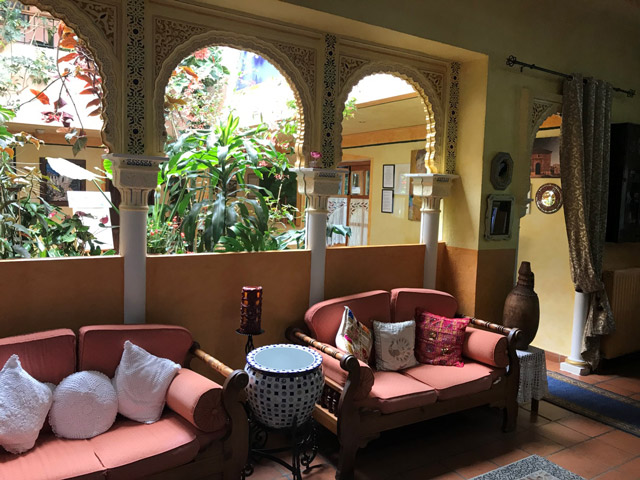
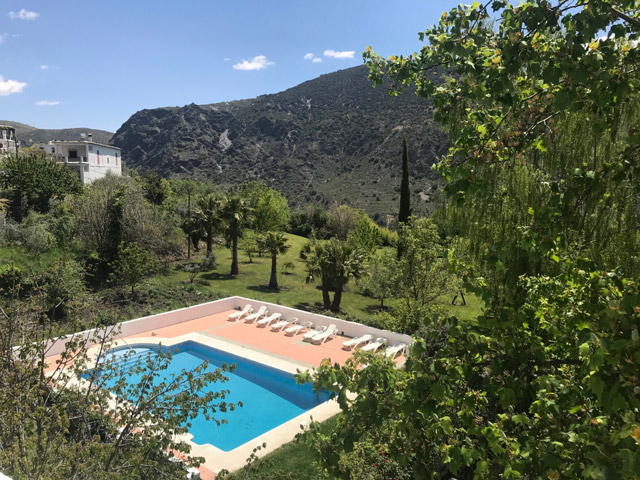
At the end of the shorter walk on day three, arriving at the hotel in Mecina Fondales was like stepping into a little Andalucian oasis – the inner courtyard room packed with plants and the colourfully painted walls each displaying a piece of interesting artwork: collected by the delightful owners it transpires. The comfortable and sizeable bedrooms also benefit from this attention to detail. The rose-filled garden and large swimming pool offer a very pleasant interlude to the walks.
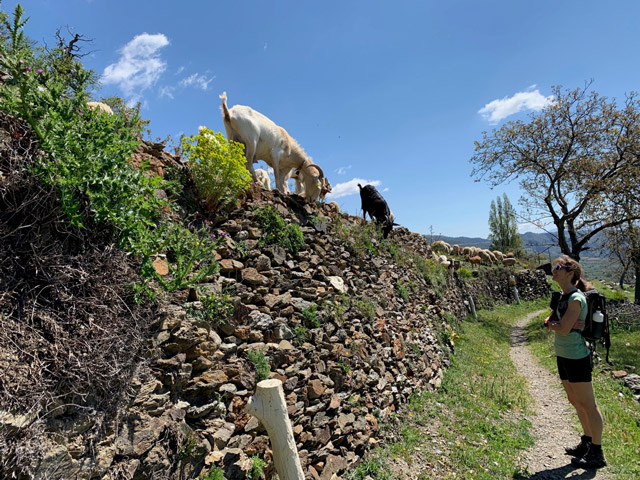
We were glad of a restful night’s sleep with a long ascent towards Trevélez planned for the next day. After plenty of up and downhill, crossing of streams and some superb mountain views with the gentle tinkling of goats’ bells drifting in and out of earshot, we grew ever nearer to the snow-capped peak of Mulhacén and the climbers’ starting point of Trevélez. Be aware - taking a stroll from the hotel into the village can be a strenuous piece of exercise in its own right, with 200 metres of altitude difference between the lower and higher sections!

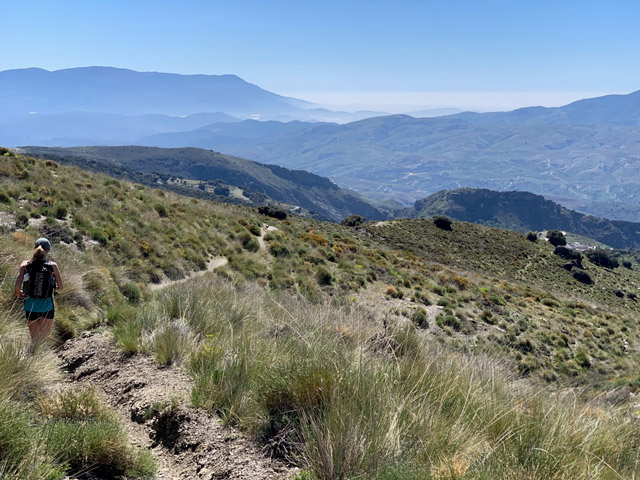
The final day’s walk was mostly on the downward trajectory as we meandered through some fairly rocky and dramatic scenery to arrive at our overnight accommodation just near Cádiar. Welcome beers all round!
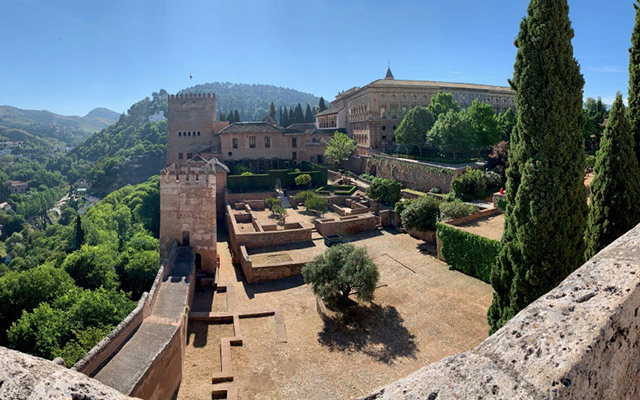
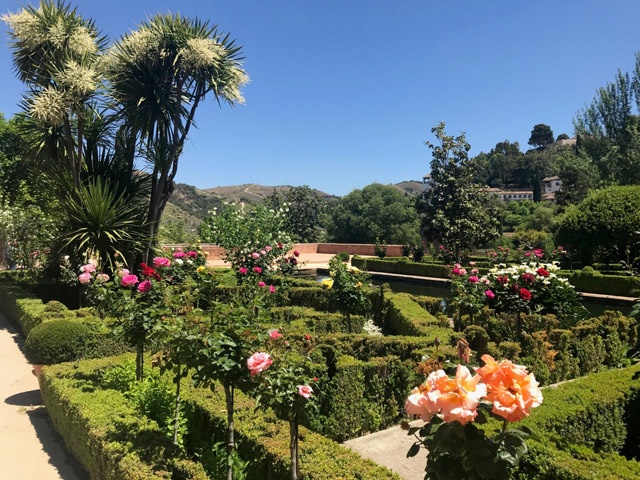
The next stop was Granada and we would certainly recommend extending your stay here to include at least two nights. A visit to the impressive Alhambra Palace is a highlight which demands several hours to explore the extensive gardens and numerous buildings (you must book this in advance). The rose gardens were outstandingly beautiful in early May.
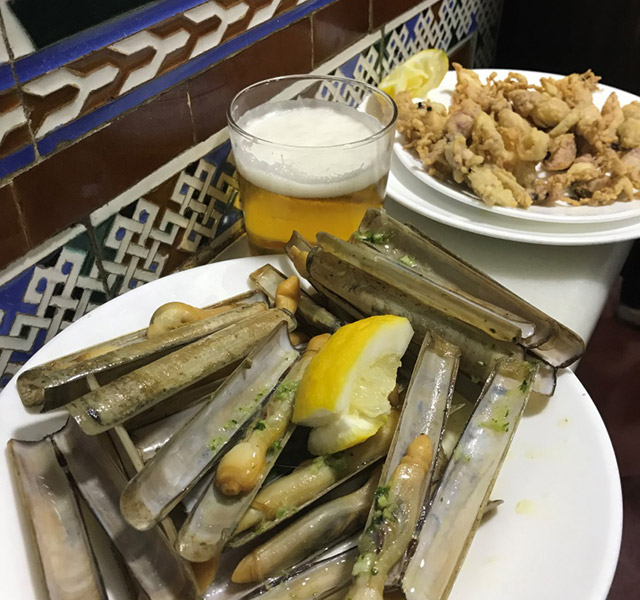
Take your time to explore the rest of Granada on foot, enjoying the many delightful cafés, restaurants and relaxed atmosphere of this fascinating city. The tapas flows freely with each drink ordered so make the most of Granada’s culinary delights.
Enjoy a self-guided walking holiday in Andalucia. You can download a detailed itinerary or contact our experts for more information.