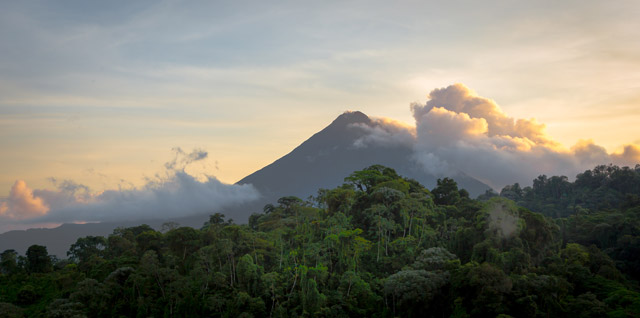
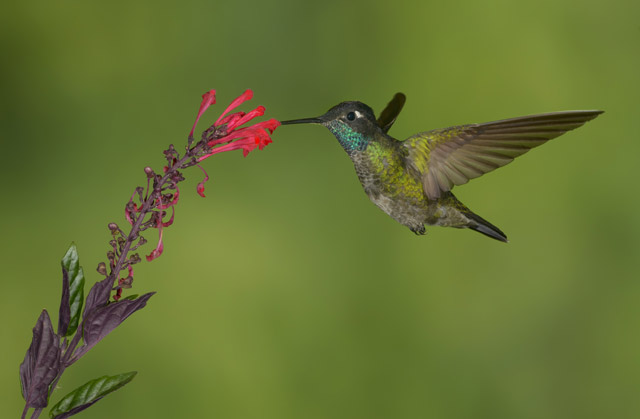
 Over half of the country's land surface is now covered with trees, absorbing a huge amount of carbon dioxide from the atmosphere. And of course, the wildlife has returned making Costa Rica one of the world’s richest wildlife watching destinations.
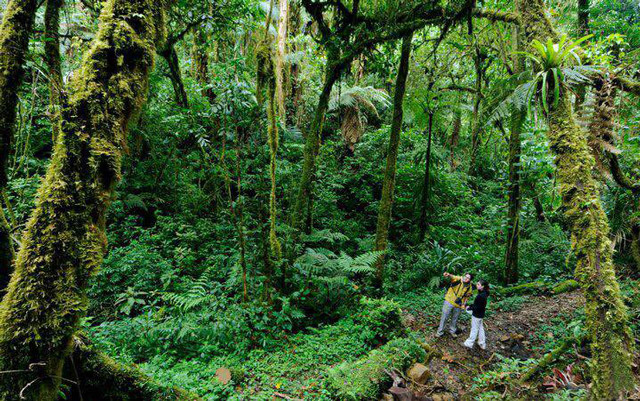
 In an interview with Andrew Marr recently and highlighting the ecotourism credentials of Costa Rica, Sir David Attenborough spoke about how he had visited a lush jungle which, 25 years ago, had been a meadow for grazing cattle.
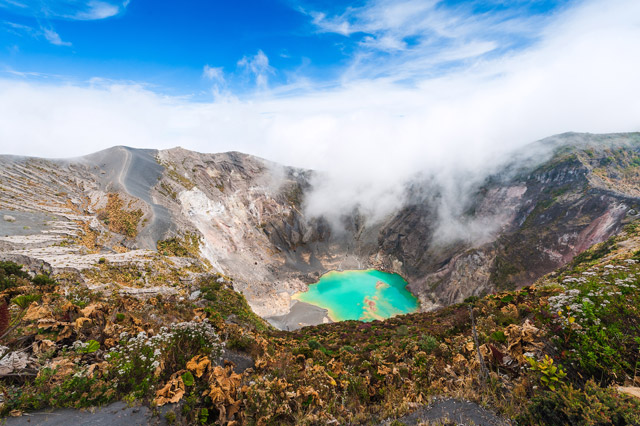
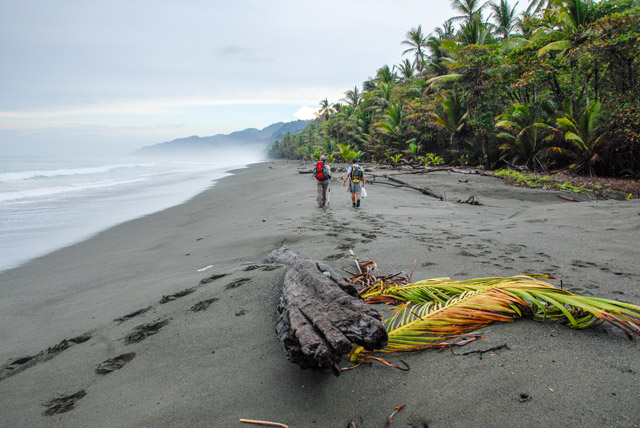
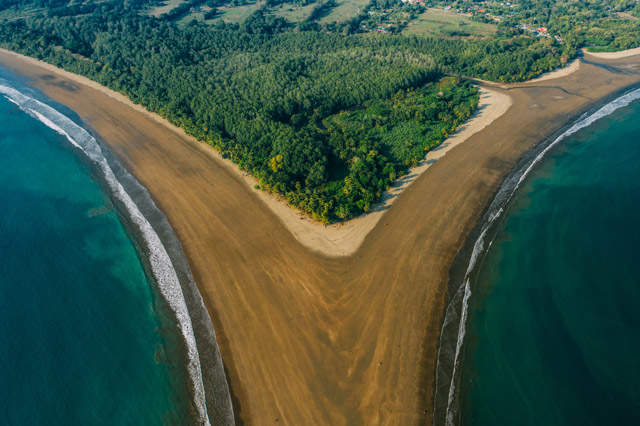
With incredible landscape diversity in the form of volcanoes, rainforests, pristine cloud forests plus Pacific and Caribbean ocean coastlines, not to mention further rewilding projects underway, Costa Rica is at the forefront of ecotourism and is undoubtedly a walkers’ paradise.
 By 2015, Costa Rica generated 99% of its electricity from renewable sources (80% from hydropower and 11.5% from wind generation). Over the past five years, the country has operated nearly 100% on renewable energy (hydropower, geothermal, wind generation, biomass, and solar power).
 In terms of carbon emissions the detailed 2050 National Decarbonization Plan (NDP), unveiled by Costa Rican President Carlos Alvarado, details the way the Costa Ricans aim to become free from fossil fuels and from polluting ways of producing food and managing waste.
 Until cleaner forms of transport are developed the Costa Rican government use a system of carbon offsetting through The National Forestry Financing Fund (known by its Spanish acronym of FONAFIFO). The amount of carbon used for each journey etc. is calculated and paid to forest owners to plant and protect the forests.
 If travelling to join our new Nature Trails in Southern Costa Rica guided-group itinerary you can decide to offset your own international journey to Costa Rica through this scheme, by making a payment through us to FONAFIFO. As part of your walking holiday in this glorious country you can also help towards their progressive decarbonisation plan by getting involved in a tree planting activity. You can also pan for gold and learn how to make traditional sweets out of sugar cane and chocolate through a local community scheme.
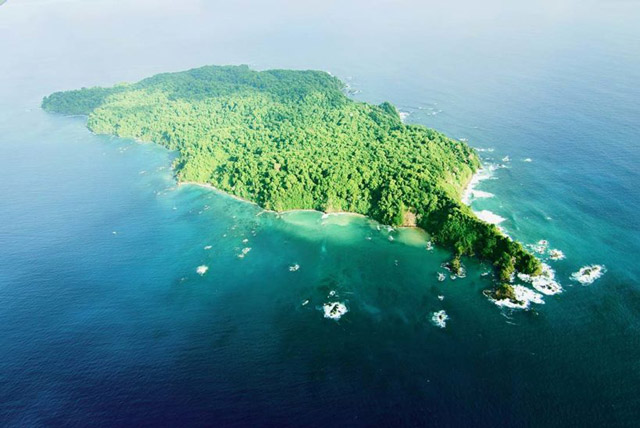
Ask us for details about all these options and find out more about the wonderful opportunities for climbing to the top of a volcano, whale watching along the Pacific coastline, snorkelling around Canõ Island and walking in the paradises of the national parks on our guided group tour to Costa Rica.